Driving in Crete: Practical Tips for Visitors
Driving in Crete is one of the best ways to explore the island at your own pace. From beaches and villages to archaeological sites and mountain roads, having a car gives you the freedom to see much more than you could with fixed public transport. This guide explains what visitors should know before driving in Crete, including road conditions, parking, useful safety tips and what to expect on different routes..
Is It Easy to Drive in Crete?
Yes, for most visitors, driving in Crete is easy and enjoyable. The main roads between major towns are straightforward, road signs are usually clear, and many of the island’s most beautiful places are much easier to reach by car.
However, Crete is not the same everywhere. In city areas, traffic can feel busier. In villages, streets may be narrow. In mountain regions, roads can be winding and slower than expected. The key is simple: drive calmly, allow extra time and choose a car that fits your route and luggage needs.
For most holidaymakers, a small or medium car is ideal for easy parking and comfortable island travel, while families or groups may prefer something larger for more luggage space and longer day trips.
Main roads
The main road network in northern Crete connects places such as Heraklion, Rethymno, Chania and Agios Nikolaos. These roads are the easiest for visitors and are commonly used for airport arrivals, hotel transfers and day trips.
Town and village roads
Inside towns and villages, roads can be narrower, with tighter corners, parked cars and more local traffic. In busy areas, patience is important, especially during summer.
Mountain roads
Mountain routes can be beautiful, but they need more attention. Expect bends, changing road width and slower driving speeds. These drives are often very scenic, but they are better enjoyed without rushing.
Rural roads
Some beaches, villages and remote sights are reached by smaller local roads. These may be perfectly usable, but they can feel less familiar to visitors who are only used to city or motorway driving.
Important driving tips
Drive defensively and stay relaxed
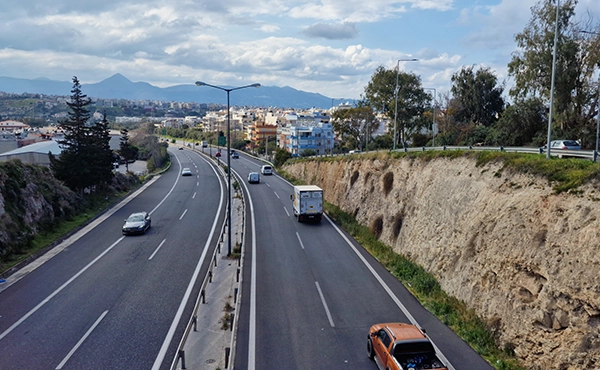
Locals may know the roads well and sometimes drive faster than visitors expect. Stay focused, keep a safe distance and do not feel pressured to rush.
Expect narrow roads in older areas

Traditional villages and some town streets were not designed for modern traffic. Slow down and take your time.
Allow more time than the map suggests

A route may look short on the map, but winding roads can make the journey longer than expected.
Use a suitable car size
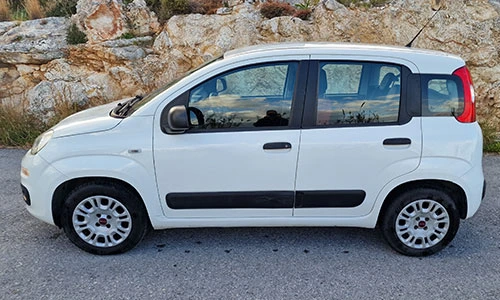
A small or medium vehicle is often the easiest choice for couples and city parking. A larger car may be better for families or extra luggage.
Keep fuel in mind
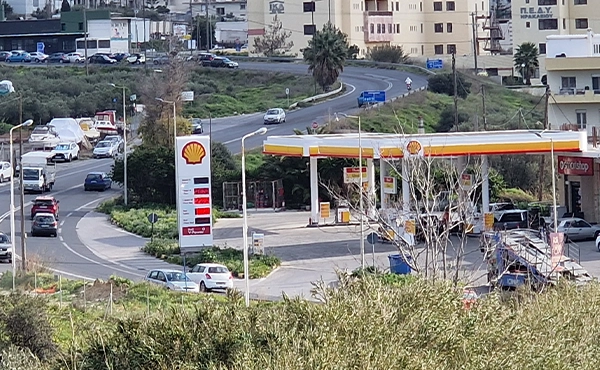
If you plan to drive to quieter parts of the island, do not wait until the tank is almost empty.
Do not leave valuables visible

Bags, passports, cameras and electronics should never be left on display inside the car.
Essential Driving Tips in Crete
Be Careful When Using Google Maps in Rural Areas

Google Maps works well in Crete, especially when you are searching for a specific address in a large town or planning a route between major locations such as Heraklion, Rethymno, Chania or Agios Nikolaos.
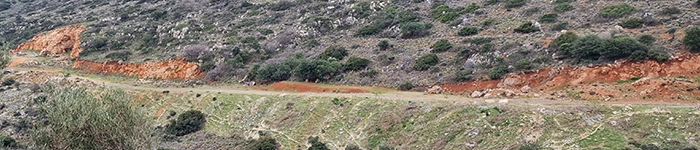
However, when driving between small villages or remote areas, navigation apps can sometimes suggest routes that are not ideal. In some cases, Google Maps may guide drivers onto very narrow roads, dirt tracks, agricultural paths or roads without asphalt.
This happens because many smaller roads in Crete were designed to connect villages to nearby towns, not always village to village directly. As a result, the navigation system may choose a shortcut that is technically possible but not comfortable for visitors or rental cars.
For the best experience:
Use Google Maps for general navigation and directions.
When travelling between small villages, check the full route on the map first.
Prefer main roads that connect towns, even if the distance is slightly longer.
If the route looks unusual or too small, consider choosing a different road.
A quick look at the map before starting your drive can help you avoid unexpected rural tracks and enjoy a smoother journey across Crete.
Many visitors who are driving in Crete for the first time rely on navigation apps, so understanding how the island’s road network works can make the journey much easier.
Slow Vehicles Use the Right Edge of the Road
Driving Etiquette in Crete
When driving in Crete, you may notice that local drivers sometimes move slightly to the right side of the road to allow faster vehicles to pass. This is common on the main roads across the island where there are long single-lane sections in each direction.
If you are driving slowly and see a faster vehicle behind you, it is polite to move slightly to the right when it is safe, allowing the other driver to pass more easily.
This is a normal local driving habit and helps keep traffic flowing smoothly, especially on longer routes between cities such as Heraklion, Rethymno and Chania.
Always make sure the road is safe before doing this and never feel pressured to drive faster than you are comfortable with.
Watch for Goats and Animals on Rural Roads
Animals on the Road in Rural Areas
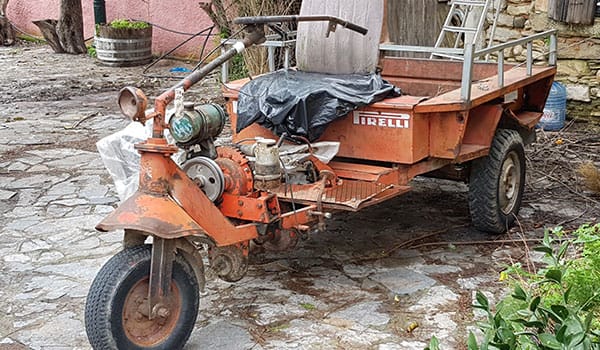
In mountain regions and rural parts of Crete, it is not unusual to encounter goats, sheep or other animals on the road. These animals often move freely between fields and may suddenly appear while driving through villages or countryside routes.
When driving in these areas:
Reduce your speed
Stay alert on blind corners
Be prepared to stop if animals cross the road
These moments are actually part of the authentic Cretan countryside experience, but drivers should remain attentive and patient.

Speed Limits, Signs and General Road Awareness
When driving in Crete, always follow the posted road signs and local traffic rules. Speed limits can change between urban roads, regional routes and larger highways, so drivers should pay attention throughout the journey rather than assume the same limit applies everywhere.
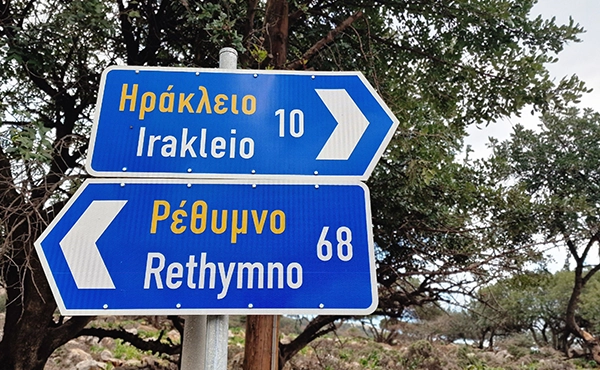
Road signs are generally easy for visitors to follow, and many routes used by tourists are clearly marked. Still, it is wise to stay alert, especially when entering villages, approaching bends or joining busier roads near towns and airports.
The safest approach is simple: follow local signs, reduce speed when road conditions change and leave enough room for unexpected stops, scooters, pedestrians or animals in rural areas.
Parking in Crete is usually manageable, but it depends on the location and time of day.
In busy areas such as central Heraklion, popular beach towns and port zones, finding a space can take longer during the high season. In smaller towns and villages, parking is often easier, but the streets may be tighter.
To avoid stress:
choose legal marked parking spaces
avoid blocking entrances or narrow passages
do not park in restricted or disabled spaces
take extra care in busy tourist areas and near ports
If you are staying in accommodation with limited access or narrow nearby streets, a smaller rental car can make everyday parking much easier.
Driving in the Mountains and Rural Areas of Crete
Some of the most memorable drives in Crete are away from the main towns. Mountain villages, scenic viewpoints and quieter beaches often reward visitors with beautiful landscapes and a more authentic side of the island.
These routes are part of the experience, but they require a little more care. Roads may include sharp turns, steeper sections and occasional narrow points where slower driving is the right choice. If you are not used to these types of roads, start early in the day, avoid rushing and let the route be part of the trip rather than just the distance between two points.
For visitors planning longer countryside drives, choosing the right car matters. Comfort, visibility and luggage space can make day trips much easier.
Why Renting a Car in Crete Makes Travel Easier
Crete is a large island, and many of its best places are easier to enjoy with your own vehicle. Renting a car gives you flexibility, saves time and makes it easier to move between the airport, port, hotel, beaches, villages and attractions without depending on limited schedules.
This is especially helpful if you:
arrive at Heraklion Airport and want to start driving straight away
travel by ferry and need a smooth pickup at the port
stay outside the main city
want to visit more than one area during your holiday
plan a one-way route across Crete
For many visitors, car rental is not only more convenient, but also a better way to experience the island more freely.
Useful Local Tips for a Smoother Arrival in Crete
If you are arriving in Heraklion, planning your pickup in advance can make the first part of your trip much easier. Many travelers prefer direct handover solutions that avoid extra waiting after a flight or ferry.
For ferry arrivals at Heraklion Port, simple meeting arrangements are especially helpful, particularly for visitors continuing to another town on the same day. This is also important for travelers arriving from islands such as Santorini and continuing their holiday in a different part of Crete.
If your itinerary includes different arrival and departure points, a one-way rental can be a very practical choice and can save valuable holiday time.
Frequently Asked Questions About Driving in Crete
Is driving in Crete safe for tourists?
Yes, driving in Crete is generally safe for tourists when they drive carefully, follow road signs and adjust their speed to local road conditions.
Do I need a small car in Crete?
Not always, but a small or medium car is often the easiest option for narrow streets, village roads and parking in busy areas.
Are roads in Crete difficult?
The main roads are usually easy enough for most visitors. Mountain and rural roads need more attention because they can be narrower and more winding..
Is parking difficult in Crete?
Parking can be busy in central areas and popular tourist spots, especially in summer, but in many places it is manageable with a little patience.
Is it better to rent a car at Heraklion Airport?
For many visitors, yes. Picking up a car after landing makes it easier to travel directly to your hotel or next destination without losing time.
Can I travel across Crete and return the car in another location?
Yes, one-way rentals can be a very convenient option for travelers who arrive in one part of Crete and depart from another.
Explore Crete With More Freedom
Whether you are planning short local drives or a full island road trip, the right car makes your holiday more flexible and more comfortable. See our available vehicles, compare options and choose the rental that fits your route in Crete.
 English
 German
 French
 Italian
 Dutch
Dutch Danish
 Spanish